Is It Bad to Always Be the First to Text

Always being the first to text can feel a bit like you’re on a never-ending treadmill—exhausting and lonely! It’s normal to want to stay connected, but if you’re the only one reaching out, it can make you feel anxious and even ignored. Instead, why not mix it up? Let others take the lead sometimes! It can lift your spirits. Plus, throwing in a fun question can spark great chats! Stick around, and you might discover more clever texting tips!
Understanding Communication Dynamics in Relationships
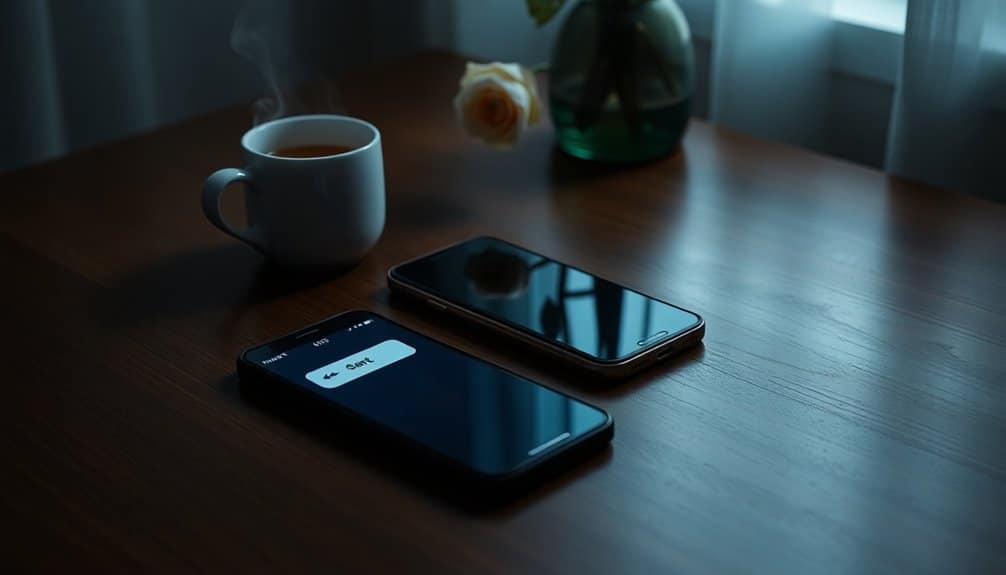
When it comes to relationships, understanding how we communicate can feel like trying to solve a puzzle—especially if you’re always the first to text! You might think being the first to reach out shows you care, but it’s not just about speed. Positive communication matters!
When you celebrate your partner’s good news, that’s called active-constructive capitalization, and it can boost your happiness together. Even a simple “That’s awesome!” works wonders. Positive communication behaviors enhance relationship quality and can lead to improved satisfaction.
Just remember, positive chats can fade over time, so keep the warmth alive! Mix in a sprinkle of humor and playfulness, but don’t let negativity creep in.
If you’re feeling ignored, it’s okay to ask for a little more effort. Your relationship deserves it!
The Impact of Texting Frequency on Relationship Satisfaction
Texting can really shake things up in a relationship, especially when you think about how often you hit that send button.
If you’re in a long-distance relationship, texting more often can actually boost your happiness. It fills the gaps left by those missed hugs and face-to-face chats.
But if you’re close by, you might find that voice calls or hanging out in person is what really keeps the spark alive.
So, if you find yourself always texting first, keep it balanced! And remember, it’s not just about sending messages but also about how you respond.
Being warm and understanding in your texts can make your relationship even stronger.
Gender Roles and Text Initiation Norms
It’s interesting how gender roles can shape who texts first in a conversation. You might notice that women often take the lead in texting, sending more messages and using those cute emoticons. It’s like they’ve a texting superpower!
Meanwhile, guys usually go for short and sweet texts—think of them as the texting ninjas, quick and to the point.
Social norms suggest women should keep the conversation going, which can feel like a lot of pressure. So, if you’re a girl, don’t hesitate to shoot that first text!
And if you’re a guy, don’t be shy to reach out, too. Remember, communication’s a two-way street, and everyone loves a little warmth in their chats!
Psychological Effects of Always Initiating Contact
Have you ever felt like you’re the one always sending the first text, while the other person seems to be on a texting vacation? It can really wear you down!
Constantly initiating contact might leave you feeling anxious and frustrated, especially if you’re not getting the same energy back. You might even start doubting your worth or feel a bit isolated.
And let’s be real, nobody likes feeling overlooked! It’s like being the only one at a party, waving while everyone else is munching on snacks.
To keep your spirits up, try mixing things up—take a break from texting first or focus on friends who reciprocate your effort.
The Balance of Communication: Initiator vs. Receiver

Communication can feel like a dance, where the initiator leads and the receiver decides whether to join in. Think about it: when you text first, you’re like a dance partner throwing out a move.
But if you’re always the one leading, the other person might just sit this one out!
Balance is key. If you find yourself always texting, try waiting for them to reach out too. It’s like giving them the chance to take the lead!
Remember, connections thrive on mutual effort.
Also, consider their vibe—some folks respond better to fun emojis or questions. So, mix it up!
Keep it light and engaging. You’ll not only keep the chat alive but also strengthen your bond.
Happy texting!
Strategies for Effective Text Messaging
When you’re in the texting game, figuring out how to keep those conversations lively can be a bit tricky—kind of like trying to juggle while riding a unicycle!
To boost your texting skills, keep your messages short and sweet. Did you know 82% of folks read texts within five minutes? So, timing’s everything!
Make your texts feel personal—people love a little touch of warmth. And hey, don’t forget to ask fun questions that get the convo rolling.
If you send a text that’s relevant or timely, it’ll build trust. Finally, always check your tone; a little humor can lighten things up.
The Role of Open-Ended Questions in Texting
How can you spark a deeper conversation with just a few words? Try asking open-ended questions! Instead of a simple “How was your day?” switch it up to “What was the best part of your day?”
This gives your friend a chance to share more than a one-word reply. You might uncover funny stories or hidden feelings!
Open-ended questions let you explore their thoughts and feelings, revealing what truly matters to them.
Plus, you’ll get to know them better, which is always a win!
Recognizing Patterns in Texting Behavior
Recognizing patterns in your texting behavior can totally change the way you connect with friends. Ever notice how often you’re the first to text? If you’re sending 100 messages a day, maybe it’s time to pause and see if your friends are keeping up!
Most teens are texting more than chatting, but that doesn’t mean everyone’s always ready to reply.
Try mixing it up—balance your texts with some fun in-person hangouts. If you see a friend’s been quiet, maybe they need a little nudge, or they’re just busy.
Don’t take it personally! Just be mindful of your texting habits. After all, it’s all about keeping those friendships strong, not just filling up your screen with notifications!
Navigating Expectations in Modern Relationships

Steering expectations in modern relationships can feel like walking a tightrope, especially when it comes to texting. You might find yourself wondering how many texts are too many. Sending a “good morning” or “good night” text is sweet, but if it starts feeling like an obligation, it can add stress.
Remember, it’s not just about the number of texts; how quickly you respond matters too! If you take too long, your partner might think you’re upset. To keep the vibe chill, set some ground rules together for response times.
Texting should feel fun, not like a chore. So, ask yourself: am I texting because I want to or because I feel I’ve to? Keep it light and genuine!
The Cultural Context of Text Messaging Trends
Texting has become a huge part of our everyday lives, and it’s not just about sending quick messages to friends or family.
With 5.9 billion SMS users expected by 2025, texting is like a universal language! In places where the internet’s a little spotty, SMS is the hero that keeps us connected.
Plus, businesses are catching on—they know people love personalized texts, which get opened 98% of the time.
So, if you’re running a small business, why not send a friendly text to your customers? Just remember, keep it fun and relatable!
And hey, who wouldn’t want a text that feels like a chat with a buddy? Keep texting, but don’t stress about always being the first!
Frequently Asked Questions
Does Texting First Indicate Higher Levels of Interest?
Texting first can suggest interest, but it doesn’t guarantee it. Everyone’s communication style varies, and a delayed response might not reflect disinterest. Focus on overall compatibility instead of stressing about who texts first.
Can Texting Habits Influence Relationship Longevity?
Texting habits are like the threads weaving your relationship tapestry; consistent, balanced communication strengthens bonds. If you notice imbalances, adjust your approach—mutual effort fosters longevity and keeps your connection vibrant and alive.
How Can I Stop Feeling Anxious About Texting First?
To stop feeling anxious about texting first, practice sending simple messages, focus on connecting rather than overthinking, and gradually expose yourself to low-pressure texting situations. Remember, it’s a normal part of communication.
Is There a Preferred Time to Send the First Text?
Yes, there’s a preferred time to send that first text. Aim for evenings, like 6–8pm, when people are more relaxed and likely to engage. Testing different times can help you find what works best.
How Do Cultural Differences Affect Texting Initiation?
Cultural differences considerably shape texting initiation. In collectivist societies, you might feel pressured to initiate more frequently, while in individualistic cultures, it’s less common. Understanding these norms can enhance your communication effectiveness and relationship satisfaction.
Conclusion
So, is it bad to always be the first to text? Not necessarily! Just keep it balanced, buddy! Being the bold, brave initiator can be fun, but remember to let your friends chime in too. Mix things up with some open-ended questions to spark deeper chats. Communication’s a two-way street, so don’t be the only driver! Keep it light, keep it lively, and you’ll build better bonds. After all, texting shouldn’t feel like a tug-of-war!